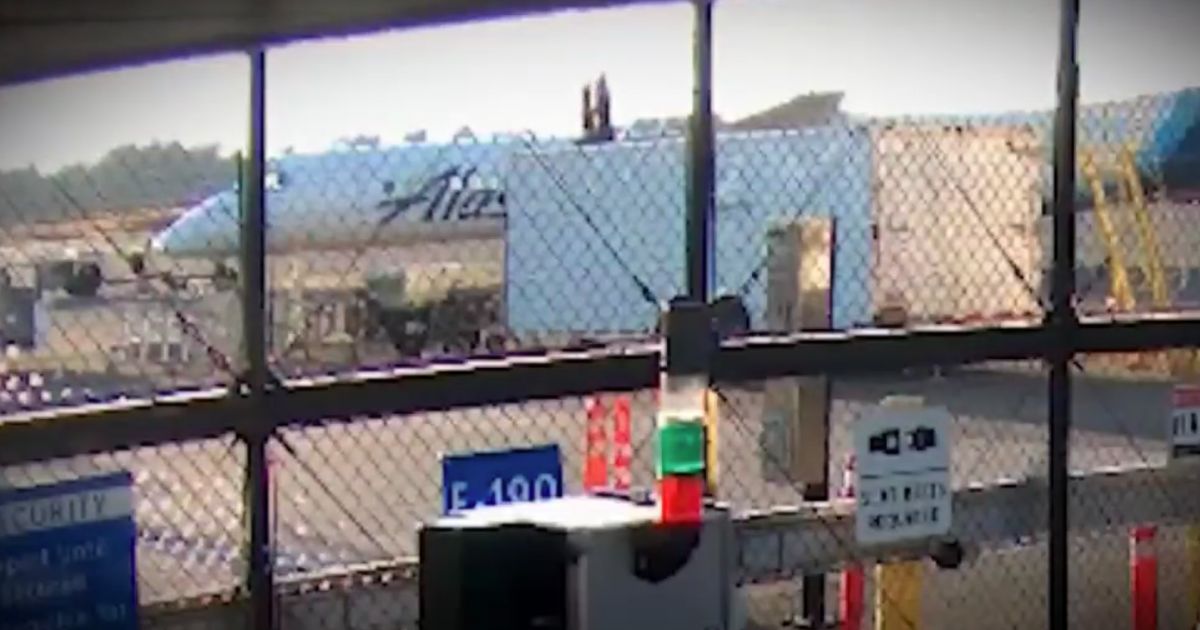
On a quiet Friday evening in the Pacific Northwest, a routine shift at Seattle-Tacoma International Airport spiraled into one of the most bizarre and tragic aviation incidents in recent U.S. history. A ground service agent for Horizon Air, operating under the umbrella of Alaska Airlines and doing business as SkyKing, bypassed security, stole a nearly empty Q400 turboprop, and took off without clearance. What followed was an unauthorized flight that ended in a fatal crash on Ketron Island. The world watched in real time as air traffic control tried to talk him down—until silence.
This wasn’t terrorism. It wasn’t a hijacking. It was a deeply personal, impulsive act by a man who had no pilot training, exposing dangerous gaps in airport security and raising urgent questions: Why would a baggage handler steal a plane—and fly it to his death?
The Man Behind the Controls: Who Was the SkyKing Thief?
The man at the center of the SkyKing incident was Richard Russell, a 29-year-old ground service agent employed by Horizon Air. Colleagues described him as quiet, reliable, and well-liked. He had worked at the airline for nearly three years, handling baggage, towing aircraft, and guiding planes to gates—tasks that brought him into close contact with planes but far from the cockpit.
Russell wasn’t a pilot. He held no aviation certifications. Yet that night, he managed to start and fly a 76-seat Bombardier Q400, a complex twin-engine turboprop designed for professional crews.
Audio recordings from air traffic control reveal a calm, introspective man, not a violent extremist. He told the controller, “I’m not going to do any harm to anyone else. I just don’t want to live anymore.” He asked for permission to fly into the sunset. He did loops in the sky, spoke of his dog, and apologized repeatedly for the trouble he was causing.
His actions were erratic but not aggressive. He didn’t target buildings, military installations, or populated areas. His final words were, “This is just a pointless suicide.”
How Did He Access and Fly the Plane?
One of the most unsettling aspects of the SkyKing incident wasn’t just what happened—but how easily it happened.
Russell accessed the aircraft after his shift ended. As a ground agent, he had keys, access badges, and knowledge of airport operations. He was able to board the unoccupied Q400, start its engines, and taxi down the runway—all without raising alarms.
Airport security protocols are designed to prevent unauthorized access, especially to operational aircraft. But Horizon Air’s procedures relied heavily on trust and human oversight. The plane was left unattended. No cockpit lock system (like those installed post-9/11 on commercial jets) could stop someone already inside.
Once airborne, Russell managed to communicate with Seattle Approach Control. The controller, a seasoned veteran, stayed calm and tried to guide him. Using real-time tracking, the FAA scrambled two F-15 fighter jets to intercept—but they were not authorized to shoot him down unless he posed a direct threat.
The real failure wasn’t in the response—it was in the prevention.
The Flight Path: A Final Journey Over Puget Sound

The flight lasted nearly an hour. Using live flight tracking data, thousands followed the rogue aircraft as it banked over Puget Sound, flew near Mount Rainier, and performed uncontrolled rolls—maneuvers far beyond the skill of a novice.
Experts analyzing the flight path noted that Russell wasn’t flying with precision. He oscillated between climbs and descents, struggled with airspeed, and occasionally lost control. Yet he remained airborne long enough to complete several maneuvers that amazed even experienced pilots.
He briefly flew inverted—a stunt that requires both skill and nerve. While likely unintentional, it demonstrated how unpredictable the flight had become.
The F-15s escorted him but kept their distance. The military’s priority was national security, not suicide intervention. From their perspective, Russell wasn’t heading toward a target. They monitored, reported, and waited.
Why Did He Do It? The Psychological Factors
There is no single answer to why Richard Russell stole the plane—but several clues point to a mental health crisis.
In calls with air traffic control, Russell referenced feeling “overwhelmed” and admitted he was “just a broken guy.” He mentioned personal issues, including financial stress and emotional isolation. He wasn’t on any known watchlist, had no criminal record, and had never raised red flags at work.
But his actions suggest a deep sense of despair. Stealing the plane wasn’t about fame or ideology. It was about escape—literal and metaphorical. For a brief moment, he wasn’t a baggage handler. He was in control of a powerful machine, soaring above the world.
Psychologists who’ve studied similar cases describe a phenomenon known as “suicide by spectacle”—where individuals choose a dramatic method to end their lives, often to feel a sense of agency, attention, or transcendence in their final moments.
Russell wasn’t trying to hurt others. He was trying to escape pain. The plane was the only tool he had.
The Aftermath: Aviation Security Gaps Exposed
The SkyKing incident forced airlines and regulators to confront uncomfortable truths about airport security.
Despite post-9/11 reforms, no federal mandate requires airlines to lock cockpit doors when planes are on the ground and unoccupied. Ramp workers, mechanics, and ground agents often have unrestricted access to aircraft exteriors—and, in some cases, interiors.
Following the incident, the FAA issued a safety alert urging airlines to improve monitoring of unattended aircraft. Horizon Air revised its procedures, limiting access to flight decks after hours and increasing supervision during overnight operations.
But the reality remains: thousands of aircraft sit unattended every night at major airports. While cockpit doors are reinforced, they’re not designed to stop someone with keys and knowledge.
The incident also highlighted the lack of mental health screening for non-pilot aviation workers. Unlike pilots, who undergo regular psychological evaluations, ground staff face no such requirements—even though they have access to critical infrastructure.
Could This Happen Again?
The short answer: yes.
While rare, the SkyKing case wasn’t unique. In 1994, a FedEx cargo handler stole a DC-10 from Miami and crashed it after a brief flight. In 2003, a South African airport worker took a Cessna and flew it into the ocean.
Each case involved a person with access, motive, and opportunity. Each exposed the same vulnerability: human access to high-value, high-risk equipment with minimal real-time oversight.
Aircraft on the ground are like unlocked cars in a parking lot—especially during shift changes, overnight hours, or in less-monitored areas of the tarmac.

Technological fixes exist: GPS trackers with geofencing, biometric cockpit locks, real-time engine monitoring. But adoption is patchy, often limited by cost and airline policy.
Until systemic changes are made, the risk remains—not from terrorists, but from insiders in crisis.
Lessons from the SkyKing Tragedy
The story of the SkyKing plane theft isn’t just about one man’s final act. It’s about the systems that failed to protect him—and the public.
1. Mental health matters in aviation safety. Airlines invest heavily in pilot wellness programs. The same attention must extend to ground crews, mechanics, and service staff. Early intervention could save lives and prevent disasters.
2. Trust has limits. Aviation relies on trust, but trust without safeguards is dangerous. Basic procedures—locking doors, logging access, supervising after-hours activity—can stop preventable incidents.
3. Real-time monitoring is critical. Planes should have remote engine cutoffs or GPS alarms that trigger when an unauthorized flight begins. These technologies exist but aren’t standard.
4. Crisis response must include empathy. The air traffic controller who spoke with Russell stayed calm, built rapport, and treated him as a human—not a threat. That approach may not have saved Russell, but it prevented panic and allowed for a controlled military response.
Closing: A Preventable Tragedy
The SkyKing incident was a wake-up call. It wasn’t a failure of heroism or technology—it was a failure of foresight.
Richard Russell didn’t die in a blaze of glory. He died alone, in a crashing plane, after begging to be understood. He wasn’t a villain. He was a man in pain, with access to a machine he shouldn’t have been able to fly.
Preventing the next SkyKing event won’t come from more weapons or stricter terrorism checks. It will come from better mental health support, smarter airport protocols, and the recognition that the greatest threats sometimes come from within.
We can’t bring Russell back. But we can honor his story by fixing what broke.
FAQ
What airline was Richard Russell employed by? He worked for Horizon Air, a regional carrier owned by Alaska Airlines that operated flights under the Alaska SkyWest and Alaska Horizon brands. The "SkyKing" nickname emerged from media confusion with Alaska’s branding.
Did Richard Russell have pilot training? No. Russell had no formal pilot training or certifications. He learned some basics from flight simulator games, but he was not a licensed pilot.
Could the plane have been stopped before takeoff? In theory, yes. If security had noticed the unauthorized engine start or boarding, they could have intervened. But the plane was unattended, and no automated system flagged the activity.
Why didn’t the military shoot him down? The F-15s were authorized to intercept but not to engage unless Russell posed a direct threat to populated areas or critical infrastructure. He never did.
Was the aircraft damaged before the flight? No. The Q400 was fully operational and scheduled for a routine flight the next day. Russell caused no damage before takeoff.
What changes happened after the incident? Horizon Air tightened access to aircraft, improved after-hours supervision, and reviewed employee wellness programs. The FAA issued safety recommendations but stopped short of new regulations.
Is it easy to steal a plane from an airport? For most people, no. But for trained ground staff with access, keys, and knowledge of procedures, it’s more possible than the public realizes—especially on quiet nights with minimal oversight.
FAQ
What should you look for in SkyKing: Why the Airline Worker Stole a Plane and Died? Focus on relevance, practical value, and how well the solution matches real user intent.
Is SkyKing: Why the Airline Worker Stole a Plane and Died suitable for beginners? That depends on the workflow, but a clear step-by-step approach usually makes it easier to start.
How do you compare options around SkyKing: Why the Airline Worker Stole a Plane and Died? Compare features, trust signals, limitations, pricing, and ease of implementation.
What mistakes should you avoid? Avoid generic choices, weak validation, and decisions based only on marketing claims.
What is the next best step? Shortlist the most relevant options, validate them quickly, and refine from real-world results.